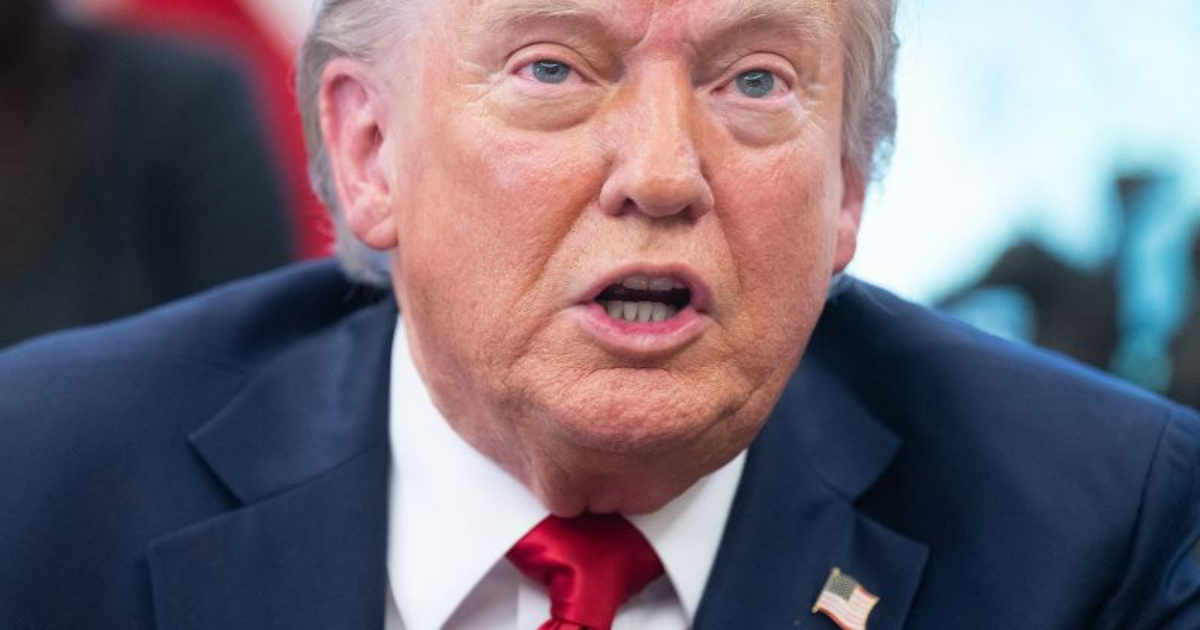
Harvard University has asked a federal judge to fast-track its challenge to the Trump administration’s decision to freeze over $2 billion in federal grants and contracts, arguing it threatens critical research and academic endeavors.
“Until set aside by this Court, the Freeze Order, as well as the looming threat of additional cuts, chills Harvard’s exercise of its First Amendment rights and puts vital medical, scientific, technological, and other research at risk,” the university wrote in its filing requesting a status conference in service of an expedited judgment.
The Department of Justice did not immediately respond to Harvard’s complaint.
Harvard’s motion came two days after it sued the Trump administration, accusing it of orchestrating an “unconstitutional” campaign to pressure the university into complying with at least sweeping federal demands, including audits of academic programs and appointment of administrators tasked with enacting White House directives.
President Donald Trump, who has been trying to “reclaim” American colleges and universities, has framed the conflict with Harvard as a fight against antisemitism. The university says the White House is trying to control it.

Russia launched a wave of deadly attacks against Kyiv early Thursday, hours after US President Donald Trump accused his Ukrainian counterpart of harming peace talks in a fresh tirade against Volodymyr Zelensky.
Russia launched 70 missiles and 145 drones toward Ukraine, mainly targeting the capital, Ukraine’s Air Force said.
At least eight people were killed and more than 70 wounded in the attacks, which emergency services said struck 13 locations in Kyiv, including residential buildings and civilian infrastructure.
Following the attacks, Zelensky announced he was cutting short his visit to South Africa, where he landed late on Wednesday, to return to Ukraine.
“It is extremely important that everyone around the world sees and understands what is really happening” he said, adding that Ukraine would immediately contact its international partners regarding its requests to strengthen air defenses.

European stock markets were trading lower Thursday after US President Donald Trump said he could re-impose “reciprocal” tariffs on some countries as soon as in two or three weeks’ time.
Germany’s DAX index and France’s CAC index were 0.4% and 0.7% down in early trading, respectively, while London’s FTSE 100 was trading flat.US futures were also pointing lower.
The Dow was set to open 0.5% down, while the tech-heavy Nasdaq and S&P 500 futures indexes were on track for 0.6% and 0.4% falls, respectively.
Some context: Earlier this week, Trump had signaled a potential U-turn on his trade war with China as well as on his intention to fire Federal Reserve Chair Jerome Powell. But, on Wednesday, the president said he would consider re-imposing sooner the “reciprocal” tariffs he had paused for 90 days earlier this month on some of America’s trading partners.
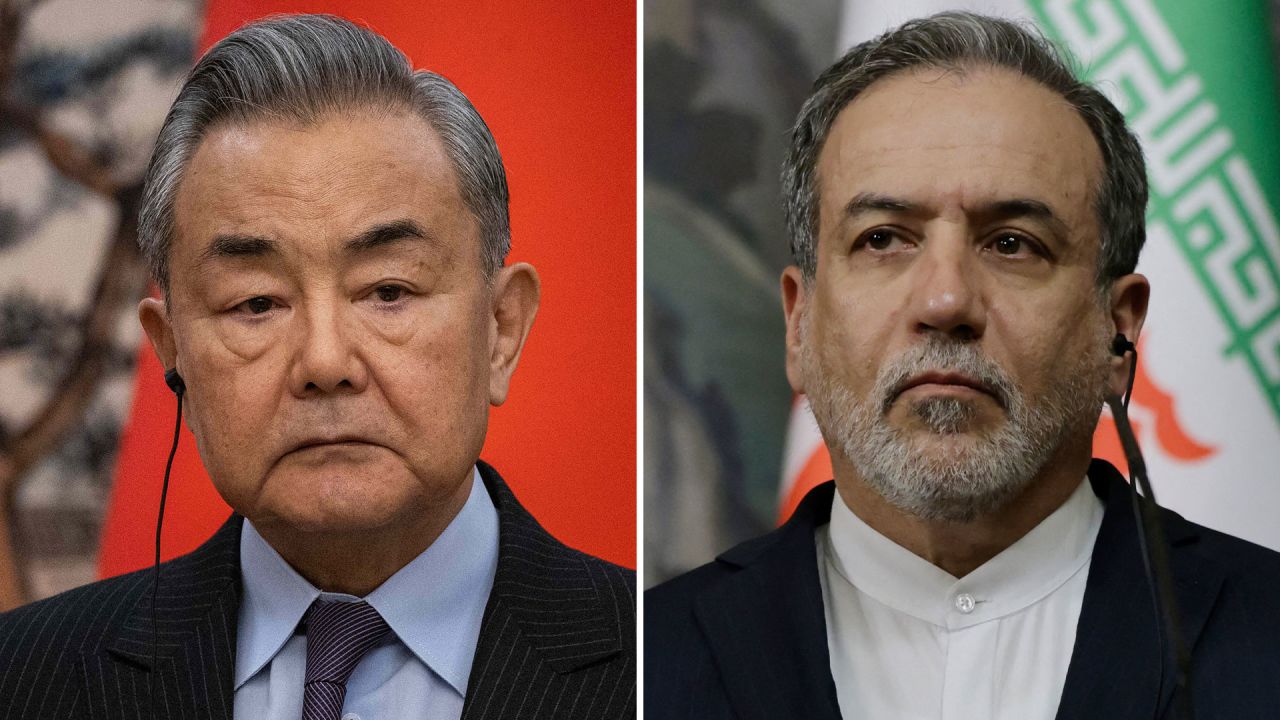
Iran’s top diplomat briefed his Chinese counterpart on the status of indirect talks with US officials over his country’s nuclear program during a visit to Beijing, according to the Iranian Foreign Ministry.
Ahead of a third round of indirect negotiations scheduled for the weekend, Iranian Foreign Minister Abbas Araghchi thanked Chinese Foreign Minister Wang Yi for Beijing’s “constructive and effective policy on Iran’s nuclear issue and sanctions removal,” the Iranian ministry said on Wednesday.
Wang said Iran had a right to “the peaceful use of nuclear energy,” and expressed China’s appreciation for Iran’s commitment to not developing nuclear weapons, according to Chinese state media.
China is “committed to a political and diplomatic resolution to the Iranian nuclear issue and opposes the abuse of force and illegal unilateral sanctions,” Wang said.
US and Iranian officials expressed optimism following a second round of nuclear talks held in Rome on Saturday, but the two sides remain far apart in negotiations, especially on one issue in which they appear to have a fundamental disagreement.
Washington wants Iran to stop production of highly enriched uranium, which it believes is aimed at building an atomic bomb. Iran this week reiterated its right to enrich uranium but has suggested it is willing to negotiate some compromises in return for sanctions relief to ease the pressure on its hard-hit economy.
US President Donald Trump’s Middle East Envoy Steve Witkoff is due to attend a third round of talks in Oman on Saturday.